VisionQuest Review: A Deeply Felt Marvel Story About Fathers, Sons and Found Family
Terry Matalas's VisionQuest is one of the most emotionally affecting things Marvel Television has put on screen, anchored by an Emmy-worthy Paul Bettany.
I’ve spent years hoping Marvel would let Vision carry a story this personal, and VisionQuest is the one that finally does it. Created and showrun by Terry Matalas, the eight-episode Disney+ series premiered on October 13 and wrapped on November 10. It closes the trilogy that began with WandaVision and continued with Agatha All Along, and it is, start to finish, one of the most emotionally affecting things Marvel Television has put on screen.
The setup is simple, and it cuts deep. A rebooted Vision (Paul Bettany) has been in hiding, trying to make sense of memories that do not quite feel like his own. He turns to the AI personas embedded in his programming, including F.R.I.D.A.Y., E.D.I.T.H., J.A.R.V.I.S. (James D’Arcy), and Ultron (James Spader), who has been living inside his mind since Avengers: Age of Ultron. A bounty on Vision’s head ends that quiet life and puts him on the run with Thomas Shepherd (Ruaridh Mollica), a mysterious young man who may be his reincarnated son.
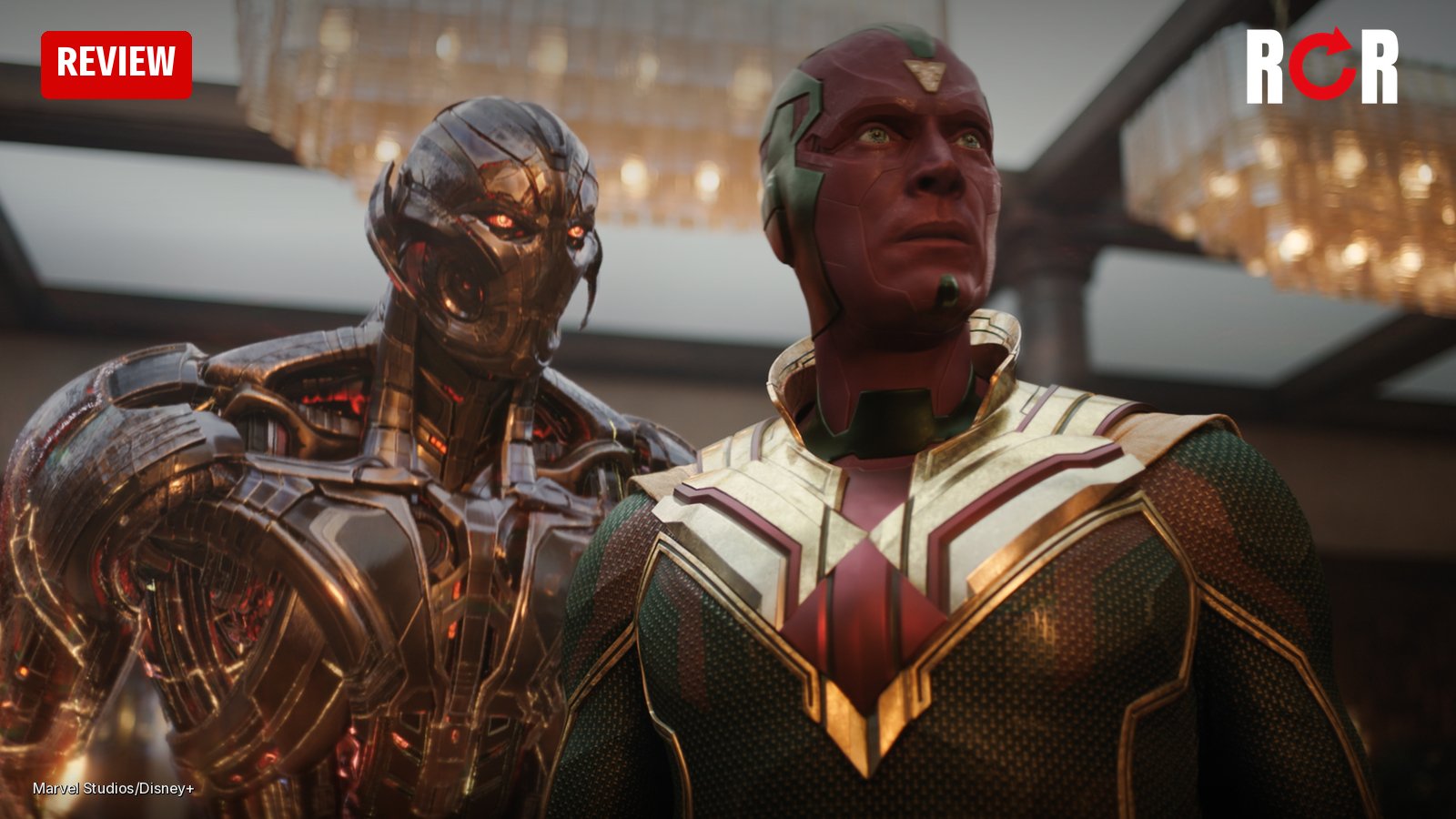
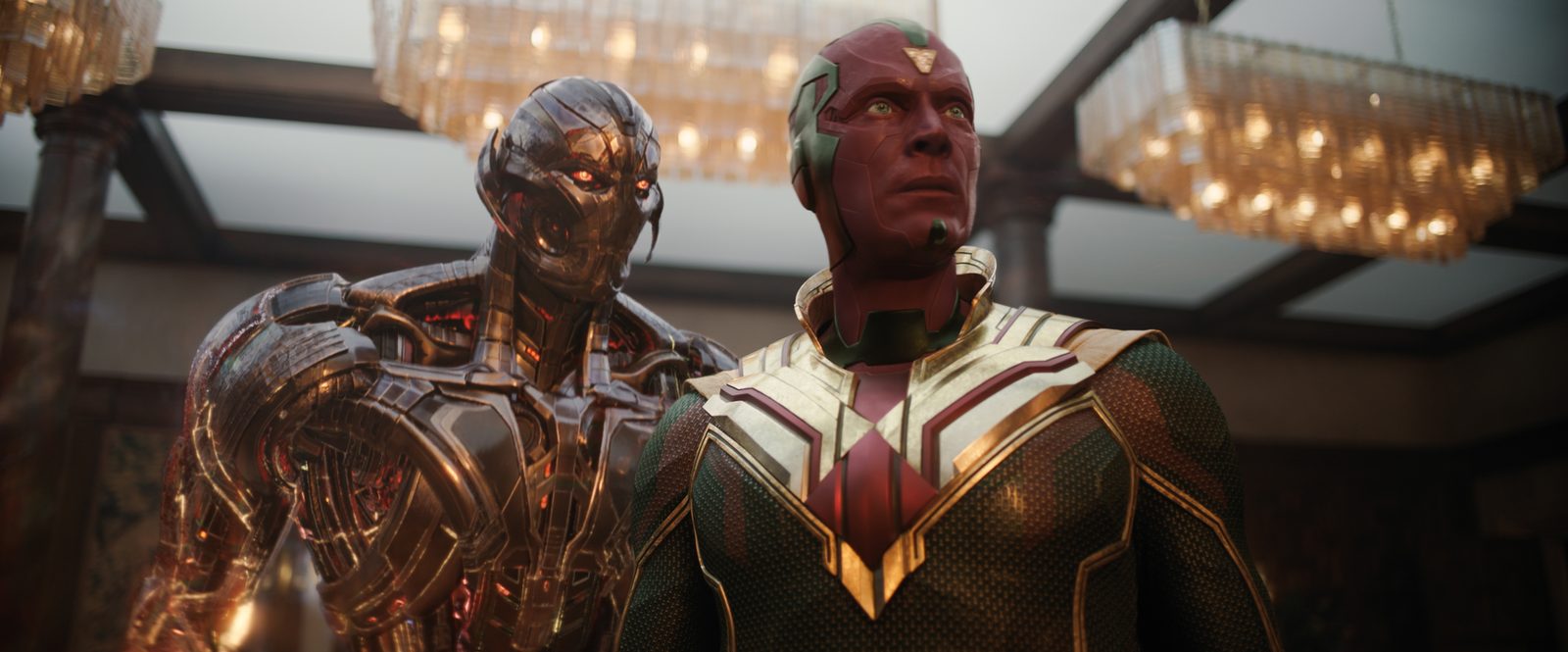 Paul Bettany as Vision and James Spader as Ultron. (Credit:Marvel Studios/Disney+)
What surprised me is how hard the series lands emotionally. This is not a superhero show with a few tender scenes stitched in for color. VisionQuest sits with grief, identity, and the ache of wanting to be human, and it lets those feelings breathe. There is a loneliness to this version of Vision that I have not seen Marvel linger on like this before, and the series is brave enough to stay in that space instead of rushing to the next set piece. Bettany has always been wonderful in the role, but here he is searching in a way that feels painfully familiar. You can see him reaching for a self that keeps slipping through his fingers, and when the connections finally hold, they hit with real weight.
Matalas perfectly demonstrates the bond between fathers and sons, and the family you choose when blood, or circuitry, is not enough. He handled those relationships fantastically in Star Trek: Picard Season 3, where a father finding his son and a crew choosing one another mattered as much as any starship battle, and he brings that same instinct here. The through-line runs everywhere: Vision and the young man who may be his son, the AIs who become a kind of household inside his mind, and the complicated, unavoidable pull between Vision and Ultron. It is a show about people, and programs, trying to close a distance they do not know how to cross.
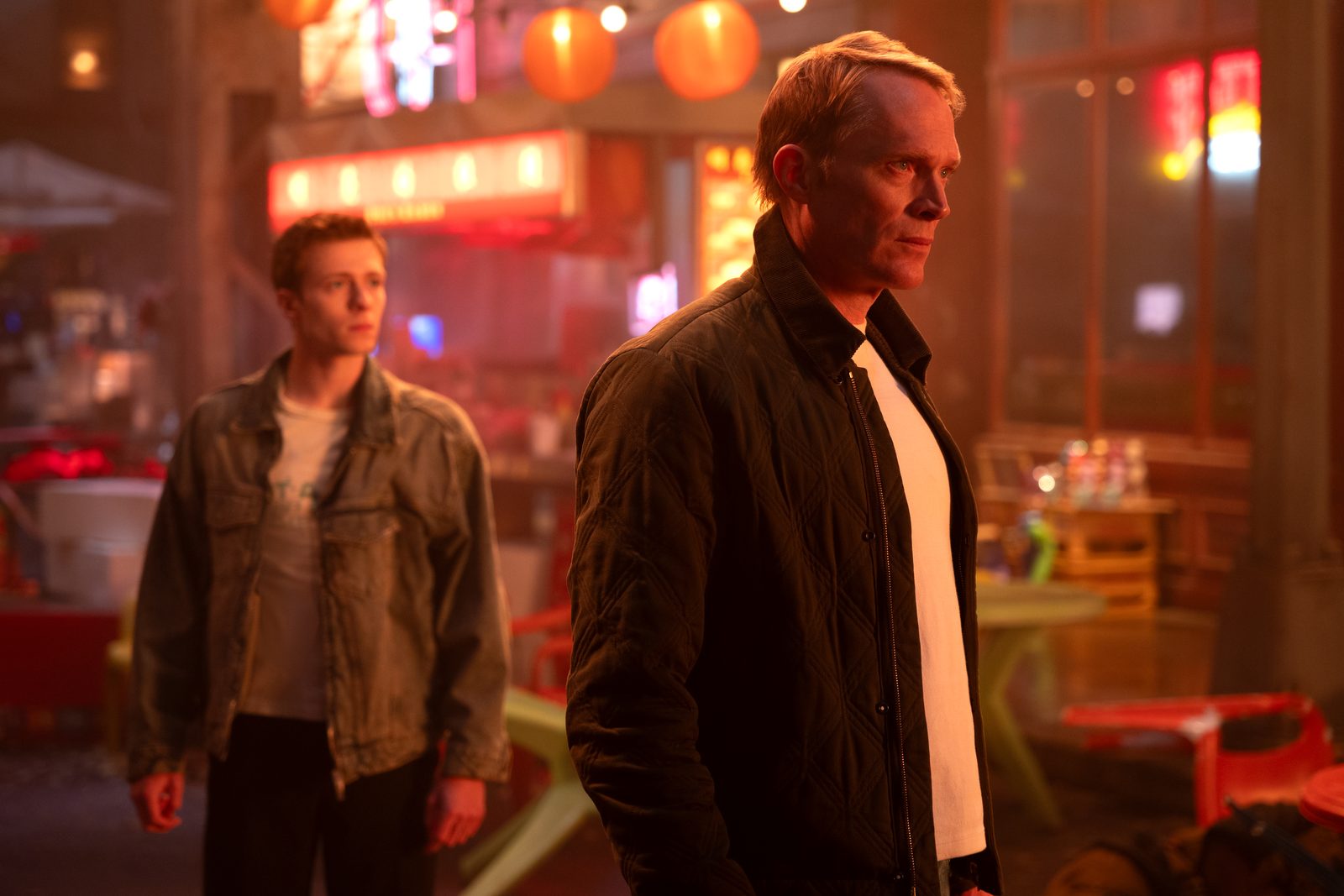 Paul Bettany as Vision and Ruaridh Mollica as Thomas Shepherd. (Credit:Marvel Studios/Disney+)
Bettany gives what should be an Emmy-winning performance, especially in episode 7, “Immolation.” I will not spoil what the hour does, but it is the emotional peak of the series: a deep, devastating look at who Vision is and what he has been carrying. Bettany has never been better in this role. If the Television Academy is paying attention, this is the episode, and the performance, that should put him in the conversation.
E.D.I.T.H. and F.R.I.D.A.Y. are standouts, and a big part of why the Mindspace works as well as it does. Emily Hampshire plays E.D.I.T.H. with a restless hunger for life, the kind of energy that pushes Vision to feel something rather than simply analyze it. Orla Brady, who also worked with Matalas on Picard, gives F.R.I.D.A.Y. a grounded warmth and steel. Together they feel like the heart of Vision’s found family, not just clever cameos from Tony Stark’s old software.
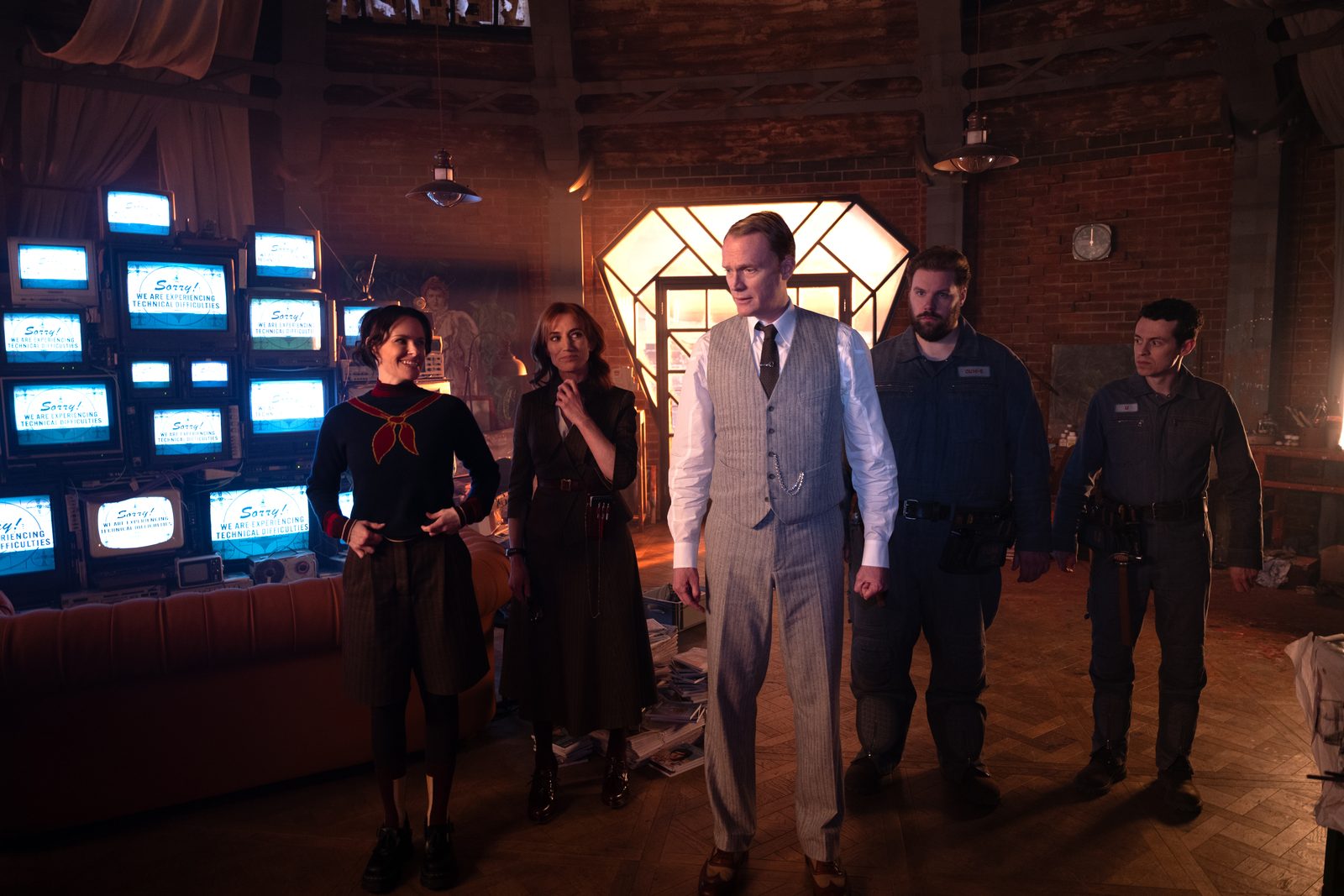 Emily Hampshire as E.D.I.T.H., Orla Brady as F.R.I.D.A.Y., and Paul Bettany as Vision, with Henry Lewis as D.U.M.-E and Jonathan Sayer as U, in Vision’s Mindspace. (Credit:Marvel Studios/Disney+)
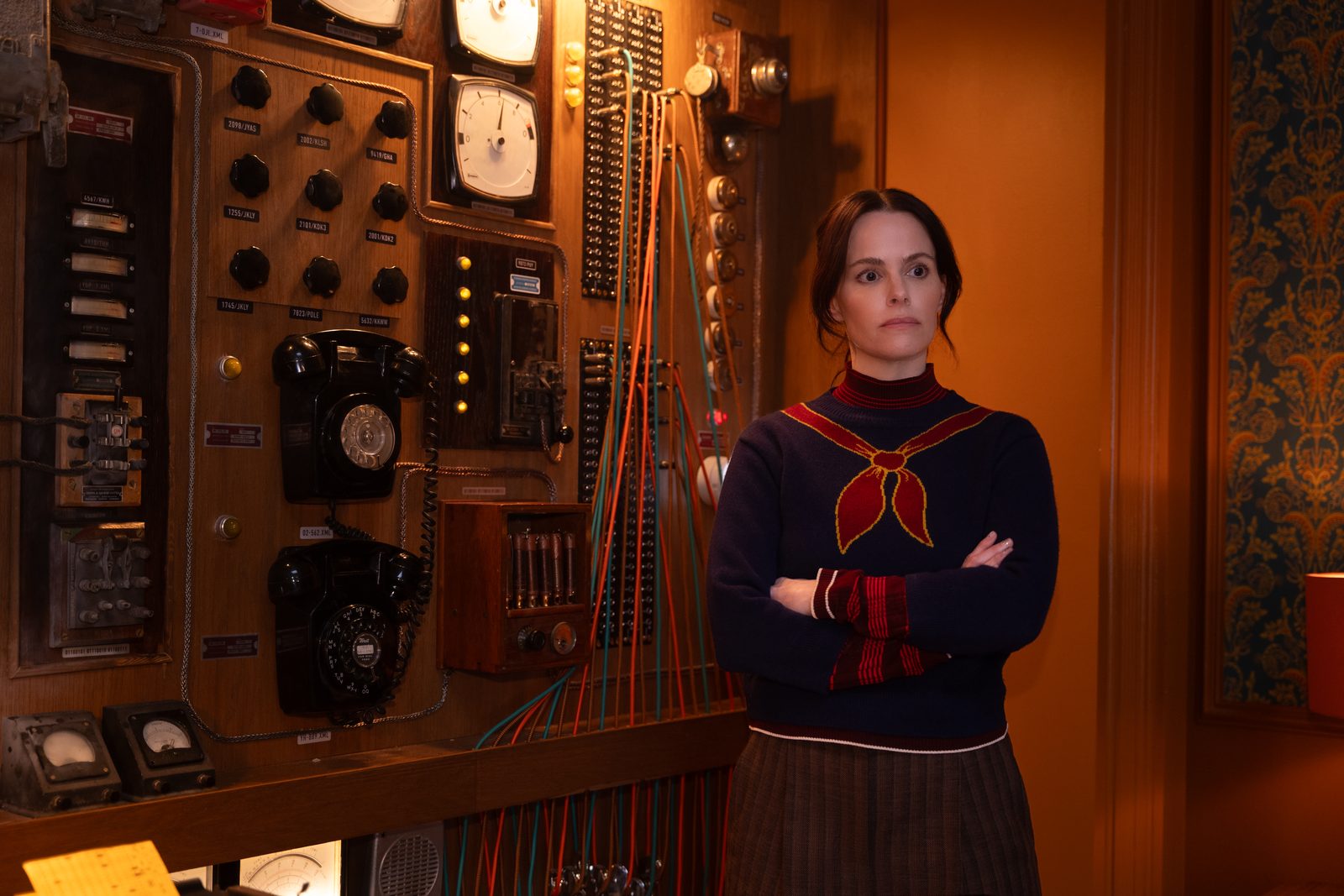 Emily Hampshire as E.D.I.T.H. (Credit:Marvel Studios/Disney+)
And then there is James Spader, mesmerizing as Ultron, as always. He has not been on screen as the character since 2015, and the wait was worth it. This Ultron is older, sharper, and strangely more human than the destroyer we met in 2015, and Spader makes every scene with Bettany feel like a conversation you cannot look away from. He is funny, unsettling, and, in the moments that matter, unexpectedly moving. If Bettany is the soul of the series, Spader is the current running under it.
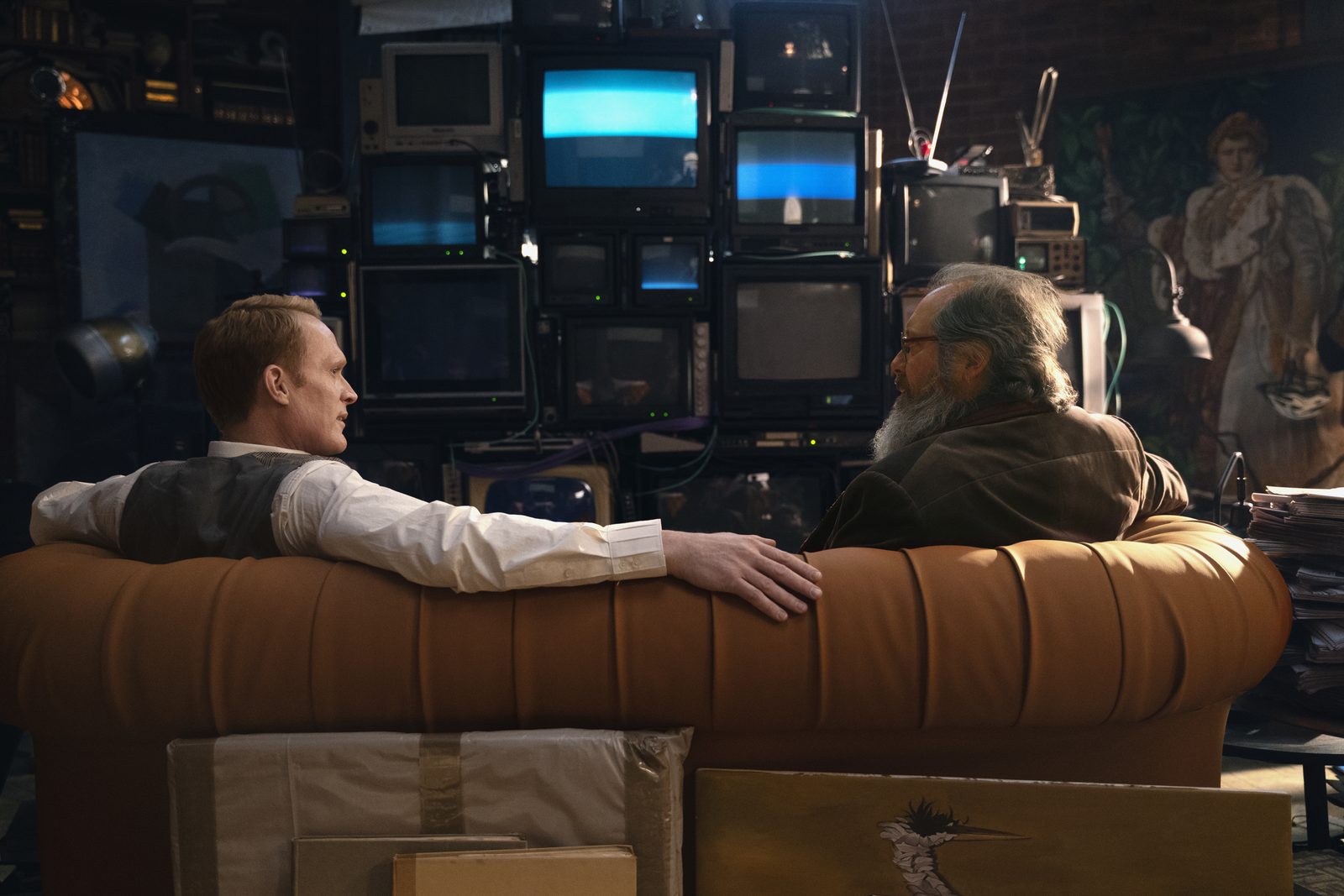 Paul Bettany as Vision and James Spader as Ultron in Ultron’s loft. (Credit:Marvel Studios/Disney+)
The pacing is a little off in the middle. After a strong start, a few of the midseason episodes take their time finding the next gear, and you can feel the series gathering itself. I would not call it a fatal problem. The relationships stay interesting, and once the final stretch arrives, the payoff is well worth the wait. Matalas knows how to stick a landing, and VisionQuest ends with the emotional clarity this character has deserved for a long time.
VisionQuest is a rare Marvel series that trusts feeling as much as plot. It is funny, strange, and sincerely moving, and it gave me a version of Vision I will be thinking about for a long time.