Comic Book Movies Aren't Dead. The Easy Hits Are.
Oversaturation and shrinking returns have ended the era of easy superhero hits. What still works is consistent quality and characters audiences already know.
There was a stretch, not that long ago, when a new comic book movie felt like an event even if you only sort of knew the character. That stretch is over. The market is oversaturated, the returns have been shrinking, and audiences have gotten very good at staying home when a studio asks them to care about a name they do not recognize, or a story that requires three other movies to make sense.
I do not think people are done with superheroes. I think they are done being taken for granted. The only reliable way to get them into a theater now is consistent quality attached to characters they already know.
When Iron Man Felt New
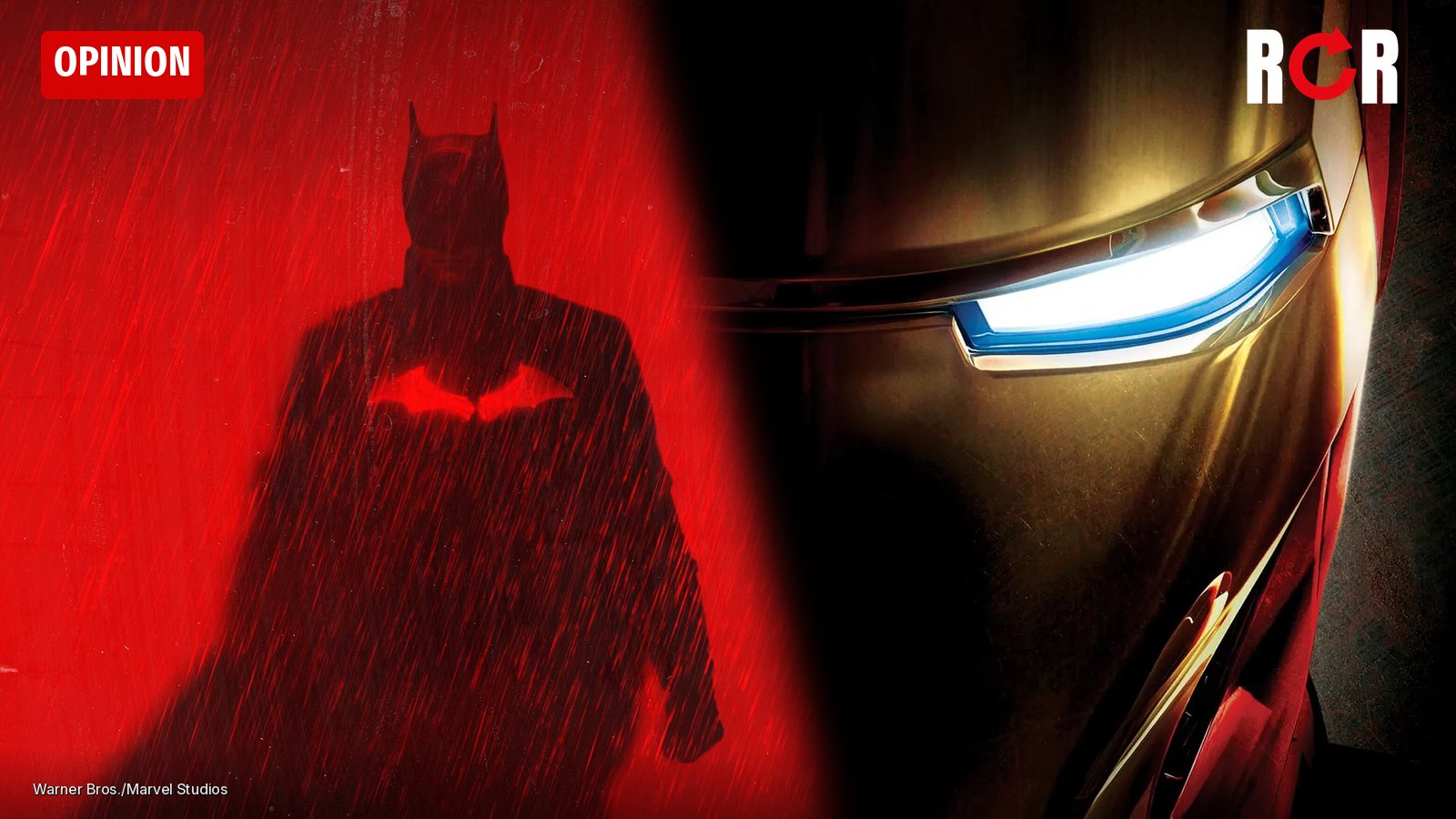
The climate was different in 2008, when Marvel launched the MCU with Iron Man. Robert Downey Jr. in a flying suit of armor felt like something the movies had not really tried, and it worked: the film grossed $585.4 million worldwide, and suddenly a second-tier Marvel hero was a movie star. When Thor arrived in 2011, that was new on a movie screen too. There had been Batman films, Spider-Man films, X-Men films. There had not been a Thor movie, and there had not been an Iron Man movie either. The novelty was the point, and it had room to breathe.
That is not the world we live in now. Studios spent the next decade proving you could build a universe, then spent the years after Avengers: Endgame proving you could also wear the audience out. Endgame grossed $2.80 billion in its original 2019 run and remains the highest-grossing film of all time, at $2.94 billion with re-releases included. It also closed a story people had followed for eleven years. What came next often felt like homework with a new logo on it.
Quality, and Names We Already Know
If you want a clean example of what still works, look at The Batman. Matt Reeves’ 2022 film made $772.2 million worldwide, and it did that without asking anyone to study a shared timeline. Batman is one of the most famous characters on the planet, and the movie sat in its own universe, which meant less homework and a much easier on-ramp for general audiences. You could walk in cold, follow a detective story in Gotham, and walk out satisfied. That approach is still paying off: The Batman: Part II is dated for February 18, 2028, and it has been allowed to stay in that same self-contained world.
The lesson is not complicated. Famous characters, told well, in a story that does not require a syllabus, still travel. Obscure characters and half-built universes are a much harder sell.
What the DCU Has Chosen Instead
That is where I think James Gunn’s DC Universe has been weakest. Superman (2025) was the right kind of opening swing, a genuine cornerstone character, and it finished at $618.7 million worldwide. That is a real movie, and a respectable start. What followed has been much thinner at the center.
The DCU’s next theatrical films were Supergirl, which grossed $126.5 million worldwide, and Clayface, an R-rated body-horror origin story about a Batman villain that has made $121.3 million worldwide so far, without Batman in it. Around them, the slate has leaned on Creature Commandos, another season of Peacemaker, and the HBO series Lanterns. Some of that work has its admirers, and Clayface was never meant to be a $600 million movie. My issue is the shape of the board. There is still no DCU Batman film on the calendar, and no Wonder Woman film either. The Brave and the Bold has been talked about for years and still does not have a date. The most popular DC hero of the last decade remains in Reeves’ separate universe, which may be the right creative call and is also a reminder of what the main line is missing.
A universe built on Superman, then Supergirl, then Clayface, with Green Lanterns on television, has put a lot of faith in characters most casual viewers would not clock in a lineup. Last week, Skydance announced that Gunn and Peter Safran are leaving their posts as co-CEOs and chairmen of DC Studios, with former Marvel executive Jeremy Latcham taking over as president and chief creative officer on December 1. They are staying on creatively, including on Man of Tomorrow, the Superman follow-up dated for July 9, 2027. However that transition plays out, the gap I am talking about was already there: too few of the names people actually show up for, and too much of the slate pointed at the margins.
Marvel Stumbled After Endgame. Then It Remembered the Assignment
Marvel learned this the hard way. After Endgame, the studio kept feeding the machine, and the audience started to push back. Ant-Man and the Wasp: Quantumania grossed $476.1 million worldwide in 2023 and was widely treated as a disappointment. The Marvels, later that year, finished at $206.1 million, the lowest-grossing film in the MCU. Those were not the only soft landings, but they made the problem impossible to ignore: more movies were not the same thing as more must-see movies.
The correction has been sitting in plain sight. Deadpool & Wolverine made $1.34 billion in 2024 with two of the most recognizable mutants in the business. In 2025, Captain America: Brave New World did a modest $415.1 million, and Thunderbolts* — well liked, built around a team a lot of viewers still had to look up — stopped at $382.4 million. The Fantastic Four: First Steps improved on both, at $521.9 million, with a team people have known for decades. Then this summer, Spider-Man: Brand New Day arrived and has grossed $2.52 billion worldwide. That is what a well-known name, delivered at a high level, still does.
Marvel is bringing people back by remembering what they want: characters they grew up with, movies that feel like events instead of installments, and a quality bar that does not assume loyalty will cover for a messy script. Avengers: Doomsday is dated for December 18. I do not know if it will stick the landing. I do know the audience has already told these studios what it will leave the house for.
Comic book movies are not finished. The version of them that treated every logo as enough is. Quality and familiar names are not a nostalgic preference. They are the business now.